Restaurants
Restaurant Operations
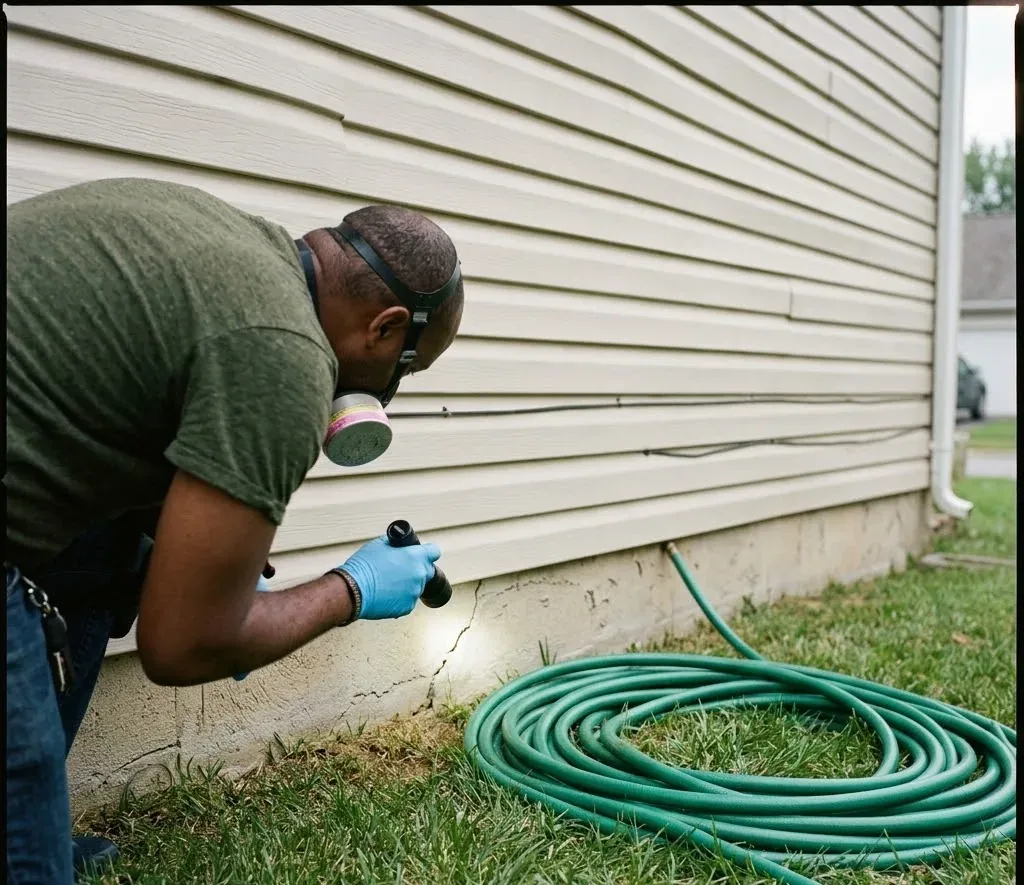
Plan healthcare termite control around patient access, treatment instructions, and follow-up visits at each South Fulton facility.
Healthcare facilities can coordinate termite work by mapping affected areas, setting access windows with department leads, and following written occupancy directions. Keep separate records for each site, including work completed, monitoring needs, and open follow-up.
A report from a care area can affect patient movement, staff duties, and room availability. Healthcare termite control works best when the facility first records the location, then coordinates access, treatment timing, and follow-up. In South Fulton, the operations lead can prepare one brief for the pros we connect you with. That brief should show who controls each space and when entry can occur.
Separate patient rooms from support spaces on a facility map. Mark receiving, storage, utility, and maintenance areas where access may follow different rules. For a South Fulton site, add a clear building identifier and department contact. Reference points such as Trammell Crow Park can help distinguish a service area in internal records, without replacing the facility’s street address.
A staff member may notice a mud tube, discarded wings, or damaged wood during routine work. Log the room or exterior location, discovery time, and any access restrictions. Leave the material in place for professional review. A clinic termite service plan can then start with the reported location and account for nearby care activities.
Choose one facility contact to arrange entry and route questions to the right department. That person can coordinate escorts, keys, privacy rules, and notices to staff. In South Fulton, the contact should also identify who can approve access when a room’s use changes. This keeps scheduling decisions with people who understand current operations.
Set inspection and treatment windows with the department responsible for each affected space. Patient transfers, shift handoffs, deliveries, and room turnover can change what access is practical. Record the expected work duration and any closure instructions in the appointment plan. A quiet maintenance window may suit one area, while another needs a department-approved opening.
| Site zone | Entry limits | Visit notes |
|---|---|---|
| Site identity | Use building names and municipality in each record | Keep South Fulton, East Point, and College Park entries distinct |
| Care rooms | List rooms needing review before work is scheduled | Confirm department contact and access limits |
| Staff areas | Identify support rooms included in the scope | Coordinate entry with the assigned department contact |
| Movement routes | Mark corridors or entrances affected by planned work | Note escort needs and temporary route changes |
| Work window | Compare proposed timing with scheduled facility activity | Name the operations contact who can adjust timing |
| Room availability | Record occupancy limits during and after treatment | Agree who confirms room access can resume |
| Treatment record | Tie proposed methods to named facility locations | File the written scope and product directions |
| Monitoring visit | Keep stations reachable for planned service | Log observations, actions, and the next review |
A finding beside a patient room needs coordination with that care team. A report from receiving or storage may involve different access contacts and work windows. Ask the provider to identify which areas need assessment, then match each area with a facility contact. This makes hospital termite treatment planning specific to the building’s active use.
The written work plan should say which rooms, exterior sections, or support spaces are included. It should also state how staff will know when an area is ready to return to use. The facility can share relevant room restrictions before work is scheduled. Keep those instructions with the affected department’s operating notes.
Treatment choices depend on what the assessment finds and the building conditions. A provider may discuss treated zones, bait systems, or another suitable approach. If stations are proposed, record their locations and who will keep them accessible. Staff should know which visits require entry and whom to contact before moving a station.
A shared record helps facility managers compare reports across buildings without treating them as identical. Use a site name, room or exterior location, date, access limits, and assigned contact. South Fulton records might use nearby reference points such as Old National Park to distinguish service areas. Keep each building’s findings under its own identifier.
When the plan includes monitoring, add each visit to the maintenance calendar. Assign someone to confirm entry, escort needs, and station access before the appointment. Afterward, record the provider’s observations and any recommended next step. If operations block access, note the affected location and arrange a revised visit with the facility contact.
Request a report that identifies the areas assessed and the conditions recorded there. It should distinguish observed signs from areas that could not be reached. Include room names or building identifiers that match facility records. For a South Fulton portfolio, Cliftondale Park may serve as an internal geographic reference, while the report names the actual property and location.
Decide how staff should route new observations between scheduled visits. A department can send the location and discovery details to the facility contact, who adds them to the site record. This gives the provider useful context at follow-up. It also helps managers see whether a question concerns the same area or a separate building.
Before approving work, compare the proposed scope with room access rules and department schedules. Confirm the included areas, entry contact, occupancy instructions, and monitoring duties. Review the written terms for coverage and conditions that apply to follow-up. These details help managers plan around care delivery and track responsibilities after the appointment.
Prepare a short site brief for discussion with an independent termite professional. Include affected locations, access controls, department contacts, and operating limits. Which rooms need assessment first? What notice do patients and staff need, and who can confirm readiness afterward? Clear answers help shape a workable schedule and a record the next manager can use.
Keep a separate service history for each South Fulton facility. Record dates, areas reviewed, access limits, work completed, and items still pending. Monitoring notes should show which stations or locations need another visit and who can provide entry. If staff use Farris Park or Sumner Park as route references, keep those directions separate from the facility address and treatment record. A clear file lets another manager see what happened and what comes next. It also helps the provider plan later visits around current operations.
A property address shapes available options; verify where across the county homes and small commercial sites can seek termite inspections, and whether treatment discussions are offered, includingUnion City, Douglasville and Tyrone. When requesting a site review, ask which travel costs or visit fees could appear on the service quote.
A business site’s termite budget is generally organized around individual visits. The area included and expected schedule help define the quote. $75–$250 supplies a guide, not a property-specific amount. Inspection findings, access limits, and treatment approach can widen or narrow the work.For a South Fulton commercial site, building area and layout can change the stations, materials, and follow-up in a quote. A property near Georgia International Convention Center may have separate work areas. When calling, describe floor area, foundation access, occupied sections, and reporting needs. Confirm the visit charge and proposed work directly with the pros we connect you with.For commercial planning, the pricing guide lays out service bands, while the commercial overview covers scheduled termite programs and their routine structure.
Start with the affected rooms and the care activities that limit access. Ask the provider to propose inspection and work windows, then check those against patient schedules, cleaning, deliveries, and staff coverage. For a South Fulton hospital, name a contact who can confirm room access and receive schedule changes. Get any occupancy limits and the planned visit sequence in writing before staff prepare the area.
Write down when and where staff noticed a possible sign, then identify the nearby room or building feature. Add whether entry needs an escort, key, or department approval. Leave the material undisturbed for the provider to assess. If directions use US Route 27, include the facility entrance and check-in point; road directions alone do not show where staff may enter.
Possibly. Whether rooms can remain in use depends on the selected method, the work location, and product directions. Have the provider state which spaces need restricted access and when those limits begin and end. Facility staff can then decide whether care can continue elsewhere during the work. Follow the written occupancy instructions for each affected room.
Keep the provider's report, approved work scope, and completion notes with the facility's service history. Record any areas that could not be accessed and any follow-up that remains open. Assign a staff contact to arrange the next visit. Review the agreement for monitoring responsibilities and the conditions that apply to additional treatment.
Bring a marked floor plan, access limits, and preferred work windows to the scheduling discussion; include check-in instructions for each South Fulton site.
Call (404) 474-2372