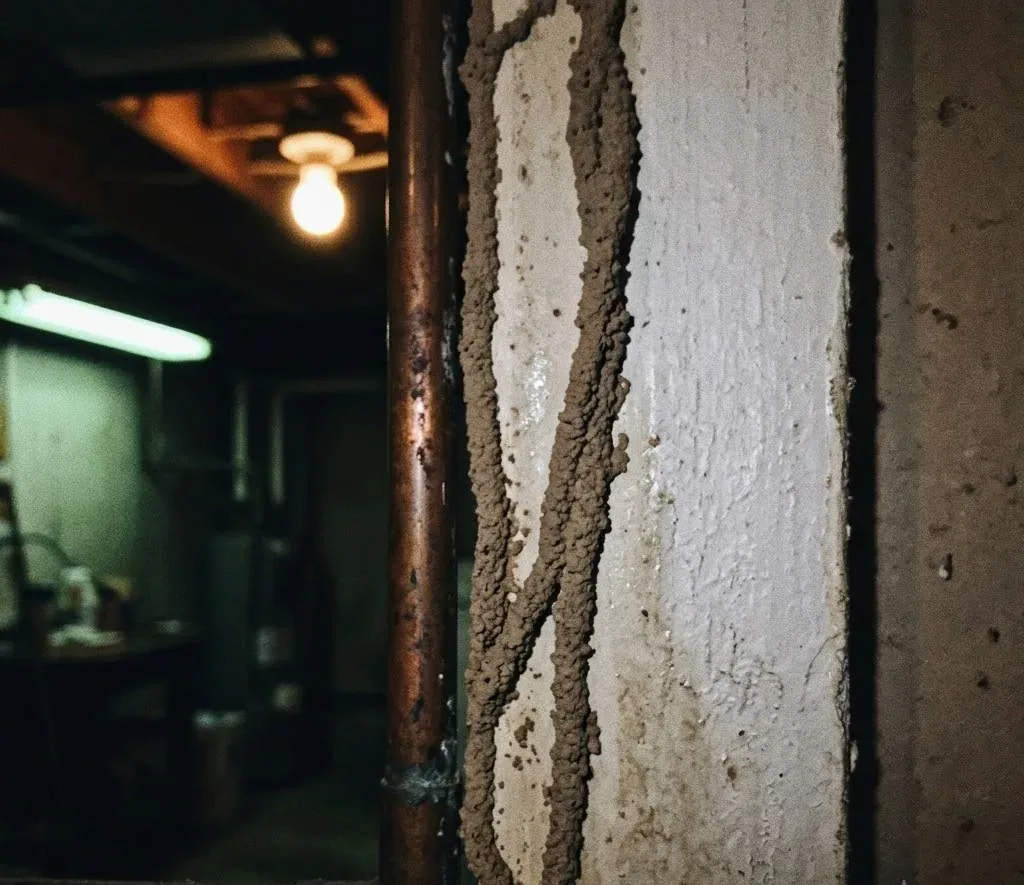
Signs of Termite Damage
Learn which changes in wood, wall finishes, floors, and trim may signal termite damage in South Fulton, and what to record before an inspection.
Read article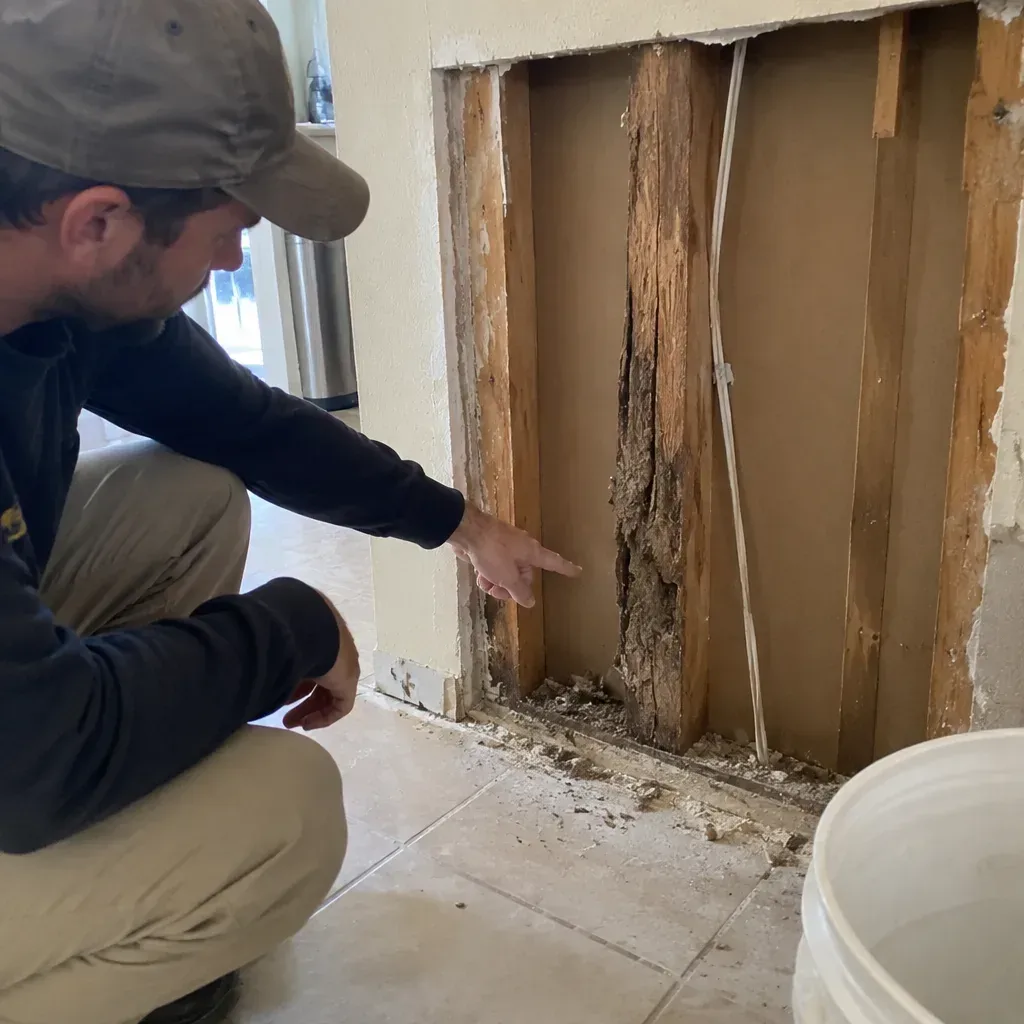
See what a property inspection can document and where access may be limited.
A homeowner in South Fulton may find a small change in a basement, crawlspace, or garage and wonder what it means for the structure. Warm, humid Georgia summers make termite questions relevant, but neither the season nor a street address establishes activity. Trammell Crow Park, Old National Park, and Cliftondale Park can help orient a service request across the city. The useful question is what an inspection can observe at this particular property, and which parts remain beyond view.
For an inspection near Trammell Crow Park, Aerotropolis Nature Park, or Cliftondale Park, start by listing the spaces the owner wants checked and arranging access. The pros we connect you with can examine reachable areas, noting activity, visible damage, and site conditions that may support termites. Visit length and cost depend on the requested scope, access, and any need for further evaluation. Move stored items away from walls where possible so accessible surfaces can be viewed.
In South Fulton and Fairburn, Palmetto and Union City, Termite Inspection starts with checking soil contact and damp areas around wood. Those site conditions help shape the termite work.
Residential termite care is outlined at residential termite control for homeowners, and commercial termite control helps landlords and business operators find options for properties they manage.
Sound-looking trim does not establish that concealed framing is clear. Termites can affect wood inside walls, where a visual visit may not expose the full extent. A report can record damage seen in accessible areas and flag locations needing closer evaluation. The owner should read its scope alongside its findings: an unexamined cavity remains unknown, not cleared. Mud tubes along a surface can provide another visible clue, though they do not show what lies behind it. An inspection can inform that decision, but it does not define hidden repair needs.
The ground and moisture around a building provide useful context. An inspector may note wood touching soil or damp areas beside wooden components, since those conditions can support termite activity. They do not prove termites are present. A South Fulton owner can point out drainage concerns, stored lumber, or landscaping that meets the structure. The report can separate these site observations from evidence found on the building itself.
A clean surface does not show what lies behind drywall, under flooring, or inside stored belongings. Finished rooms, tight crawlspaces, and sealed areas can restrict what an inspector sees. Termites may affect concealed wood or other cellulose material, so visible condition cannot settle every question. For a South Fulton property, ask the reviewer to identify inaccessible sections and explain whether another form of evaluation is needed to assess them.
The owner points out the concern and requested areas. The inspector notes the property layout and access limits before setting the review scope.
The inspector reviews accessible foundations and exposed wood, then notes visible activity, damage, and relevant site conditions.
Observations are recorded with the areas examined. Inaccessible rooms or structural sections are identified as limits.
The owner reviews the findings and asks which uncertainties need more evaluation. The written scope should clarify any proposed follow-up.
South Fulton properties vary in layout, materials, and access. A ranch may offer a different view of its crawlspace than a split-level with finished lower rooms. A subdivision lot can also have distinct landscaping and storage around the structure. Those details affect what an inspection can reveal. The owner gets a more useful answer by matching findings to the areas actually reviewed, rather than treating a city name or building style as proof of termite activity.
Georgia regulates structural pest control services, and termite control work falls within its wood-destroying-organism category. For an inspection, the owner should clarify the purpose before the visit. A homeowner checking a concern needs a scope suited to that property, not assumptions based on a South Fulton ZIP code. Ask the provider what the inspection includes and whether the written findings describe the areas reviewed and any access limits.
A written inspection report can help the owner keep observations distinct from unanswered questions. Ask whether it will note visible activity, damage, conditions around the structure, and areas the inspector could not reach. In South Fulton, the pros we connect you with should explain the findings in plain terms and identify what further evaluation might clarify. If the report leaves a point uncertain, ask which observation or access limit led to that conclusion.
In South Fulton, ask whether the inspection has a separate charge and which treatment areas are covered at a ranch near Cliftondale Park.
| Inspection Tasks | Home Areas | Quote Variables |
|---|---|---|
| Entry Check | College Park property review with treatment details set out in writing | an estimated $75–$250 |
| Applied Control | Grove Park area report plus treatment only within stated boundaries | an estimated $85–$325 |
| Station Follow-up | Inspection summary and scoped treatment; wood repair is separate unless included | an estimated $75–$250 |
| Timber Work | South Fulton evaluation with treatment confined to areas in the quote | an estimated $180–$1,000 |
Treatment and carpentry may be scoped as separate work. Preparation needs can influence the scope of treatment. Follow-up service and durable components can also change the estimate. The pricing guide helps sort those items.
A careful inspection also considers whether signs appear current or may reflect earlier activity. The findings apply to the parts examined. In South Fulton, ask the inspector to state what was seen and identify any spaces that could not be checked. An inspection describes evidence at the property; it does not establish the condition of every enclosed wall or guarantee that no termites are present.
The inspection can include accessible foundations, exposed wood, and other areas within the agreed scope. Stored items, locked rooms, or limited crawlspace clearance may prevent a close review. Before scheduling in South Fulton, ask the pros we connect you with to list the areas they expect to examine. Clear access to those locations can help the reviewer make better observations and document any remaining limits.
No. Soil contact or dampness near wood can be relevant conditions, but neither confirms termite activity by itself. The inspector considers those observations alongside evidence on accessible parts of the structure. A South Fulton homeowner can point out where water collects or wood meets the ground, then ask that those conditions be distinguished from observed termite evidence in the findings.
The property layout and access affect how much of the structure can be reviewed during a visit. A crowded crawlspace or blocked foundation edge may limit visibility, while an open area may be easier to examine. In South Fulton, describe the building type and any locked or obstructed areas when arranging the inspection. Ask the provider what preparation would make the requested areas accessible.
A written record can help the owner keep inspection findings together for future reference. A useful report can record observations, the areas reviewed, visible damage, and access restrictions. For a South Fulton address, the owner can also ask how the provider will distinguish a condition worth noting from evidence of termite activity. This makes the findings easier to use when deciding whether more evaluation is needed.
Ask which material appears affected, where it was observed, and whether the inspector could assess the surrounding area. Visible damage may not show its full extent when wood is concealed or access is limited. The report should identify what was actually seen and what remains uncertain. A South Fulton owner can use those details to decide whether a separate repair assessment is needed.
For termite inspection, $75–$250 for this work helps with budgeting. Ask the pros we connect you with whether inspection has a separate charge, then compare that answer with the treatment estimate.
The inspection can also clarify how the termite issue affects the structure itself.
Learn which changes in wood, wall finishes, floors, and trim may signal termite damage in South Fulton, and what to record before an inspection.
Read article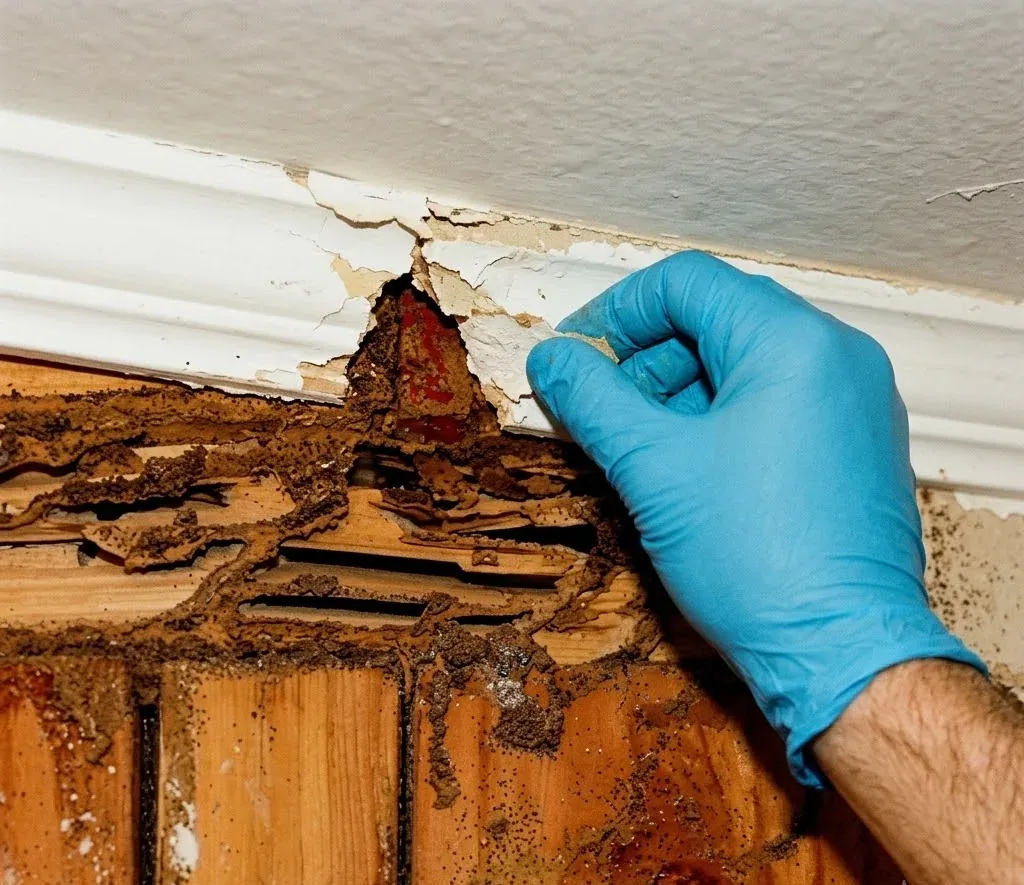
A raised foundation line may signal subterranean termite activity, but its appearance needs context. See what a South Fulton homeowner can document for an inspection.
Read article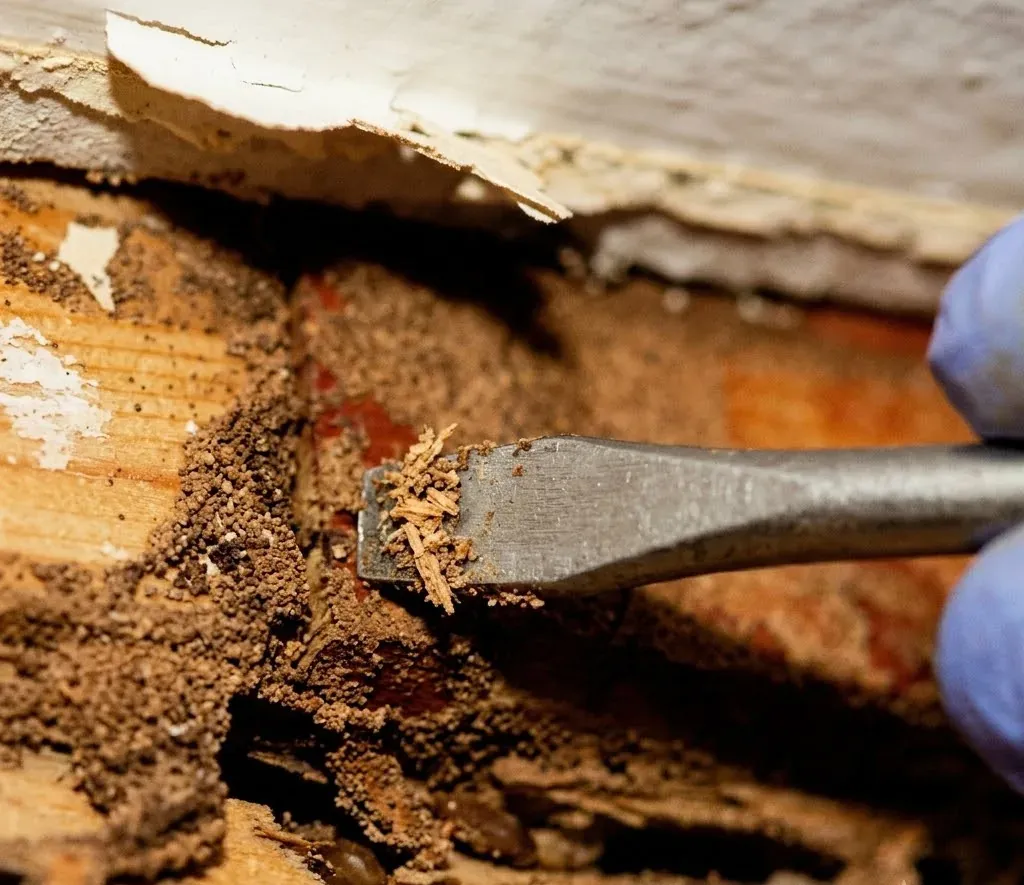
See how pellet shape, dust, and seasonal conditions can help a South Fulton homeowner assess suspected termite droppings, photograph the pile, and save a sample.
Read articleFor South Fulton properties near Wilkerson Mill, service availability still depends on the address. Share the location and describe any signs before arranging a visit. Ask the pros we connect you with what the inspection examines, how findings are recorded, and whether access limits could affect the assessment. If treatment is proposed, request details on the method, monitoring, reporting, and wood repair. Ask who will explain the findings and proposed work before you decide whether to proceed.
Call (404) 474-2372