Termite Inspection
See what a property inspection can document and where access may be limited.
View Termite Inspection help in South Fulton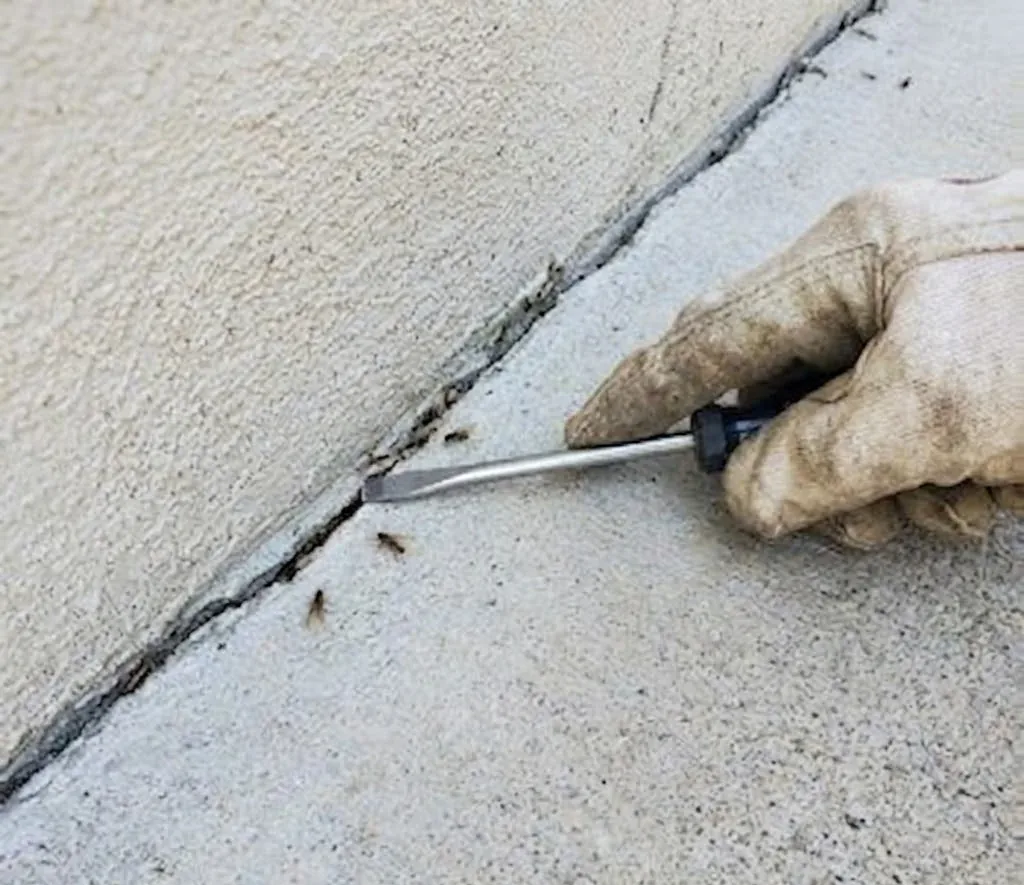
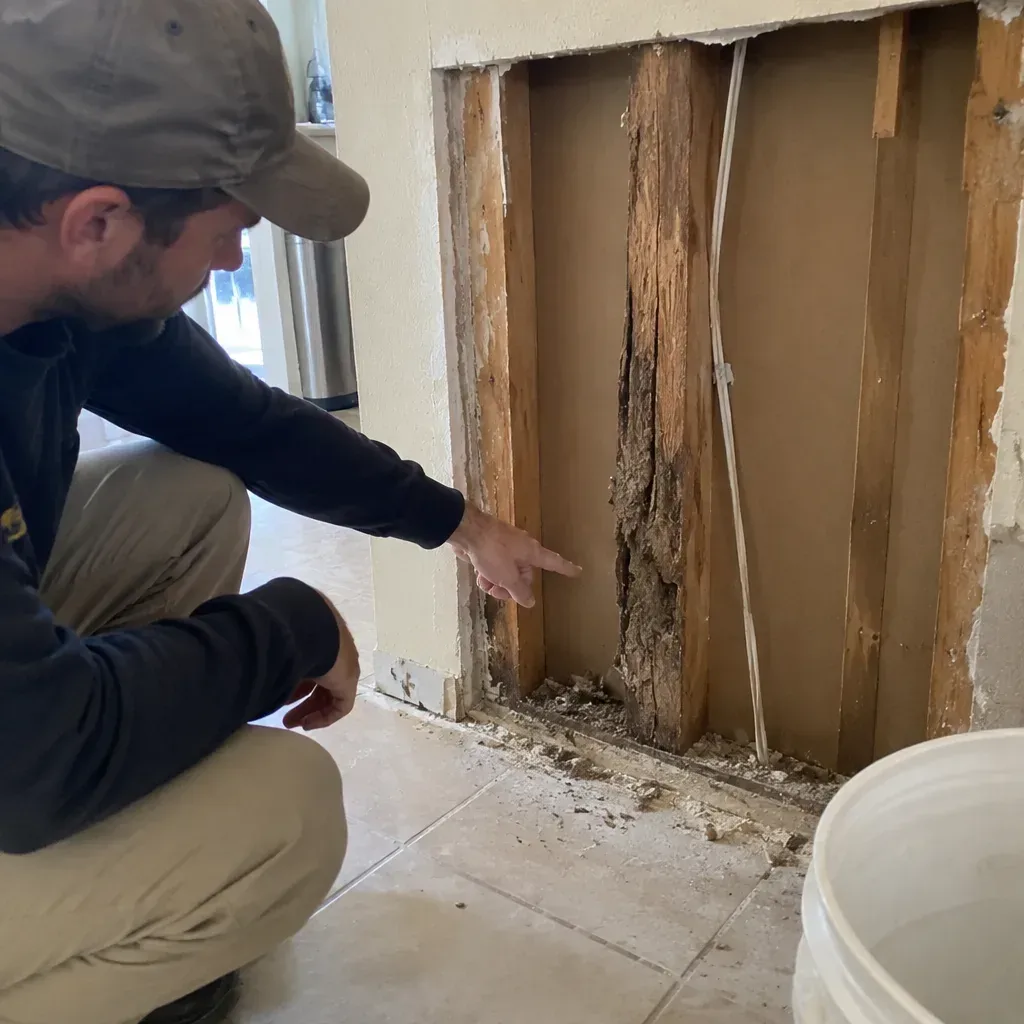
At a South Fulton ranch, a soft sill or loose wings can raise questions. A soil track near the foundation can prompt another look. The homeowner needs findings before choosing work. An inspection can also reveal where access is limited. Results can point toward treatment, station monitoring, or a written record. Moisture and wood-to-soil contact can shape next steps. A subdivision home near Aerotropolis Nature Park may too. The pros we connect you with can explain the scope. Wood repair may be a separate task.
Start with the room, sill, or foundation section where the owner noticed a change. In South Fulton, a soil track, shed wings, or damaged wood can justify a closer look. Those clues alone do not confirm termites. Leave suspected material in place and note its location. A clear photo can help track whether the visible sign changes. Damage may extend beyond the surface that first draws attention. An inspection checks accessible areas for signs, damage, and moisture conditions. Share prior repairs or station locations if known. A report should say what was observed and which areas were evaluated.
A treatment choice follows the inspection and depends on the evidence and property conditions. Liquid products can establish treated areas; bait systems depend on station checks. Keep stations accessible, and ask the provider before moving one. Monitoring lets the provider check stations and assess activity. Ask how often follow-up checks occur and what they cover. It applies to inspected areas and cannot promise what lies beyond them. Near Trammell Crow Park, a homeowner can ask the pros we connect you with to explain follow-up terms. Confirm whether wood repair is separate.
Use residential termite control to consider termite control in a home; owners handling tenant spaces or commercial sites can turn to commercial termite control for their service path.
Termite activity can damage wood inside a structure before signs become obvious on its surfaces.
See what a property inspection can document and where access may be limited.
View Termite Inspection help in South Fulton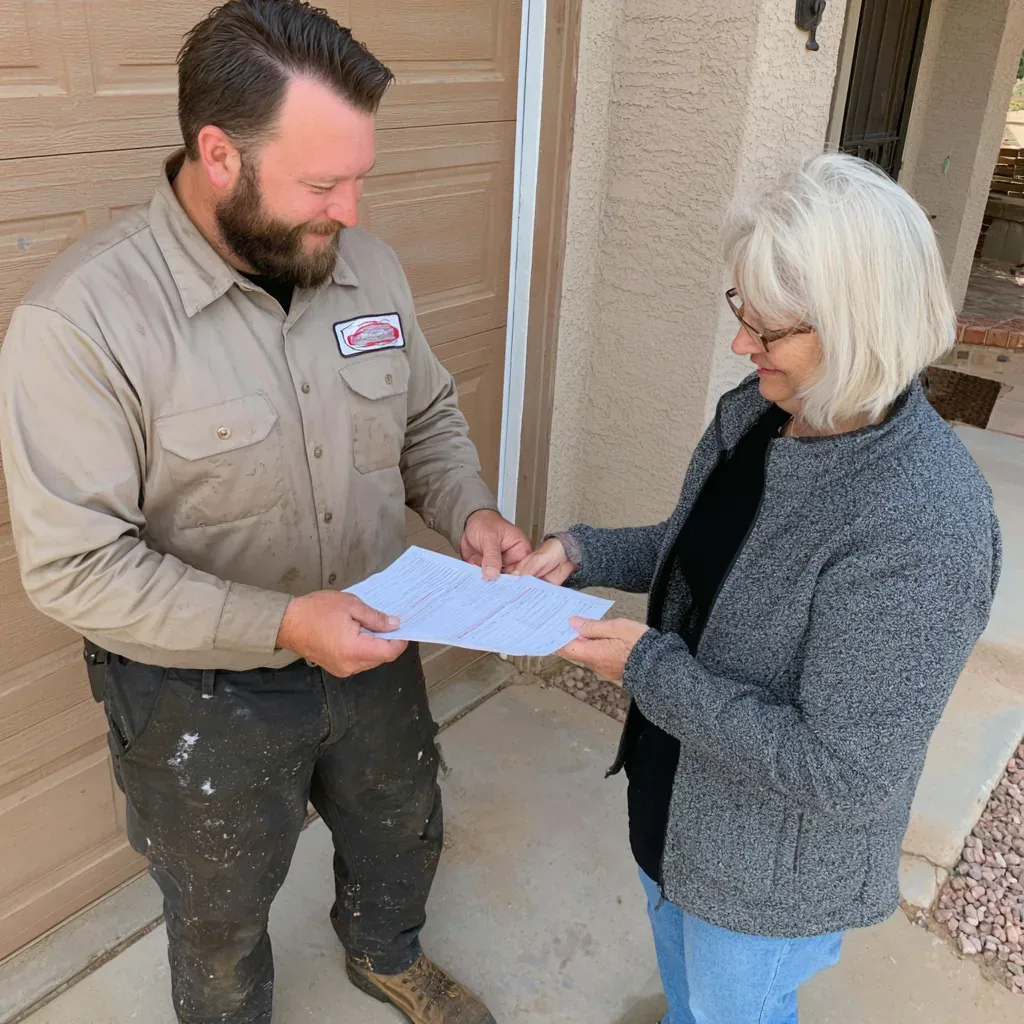
See what a termite report records and what remains outside its inspection scope
View Termite Report help in South Fulton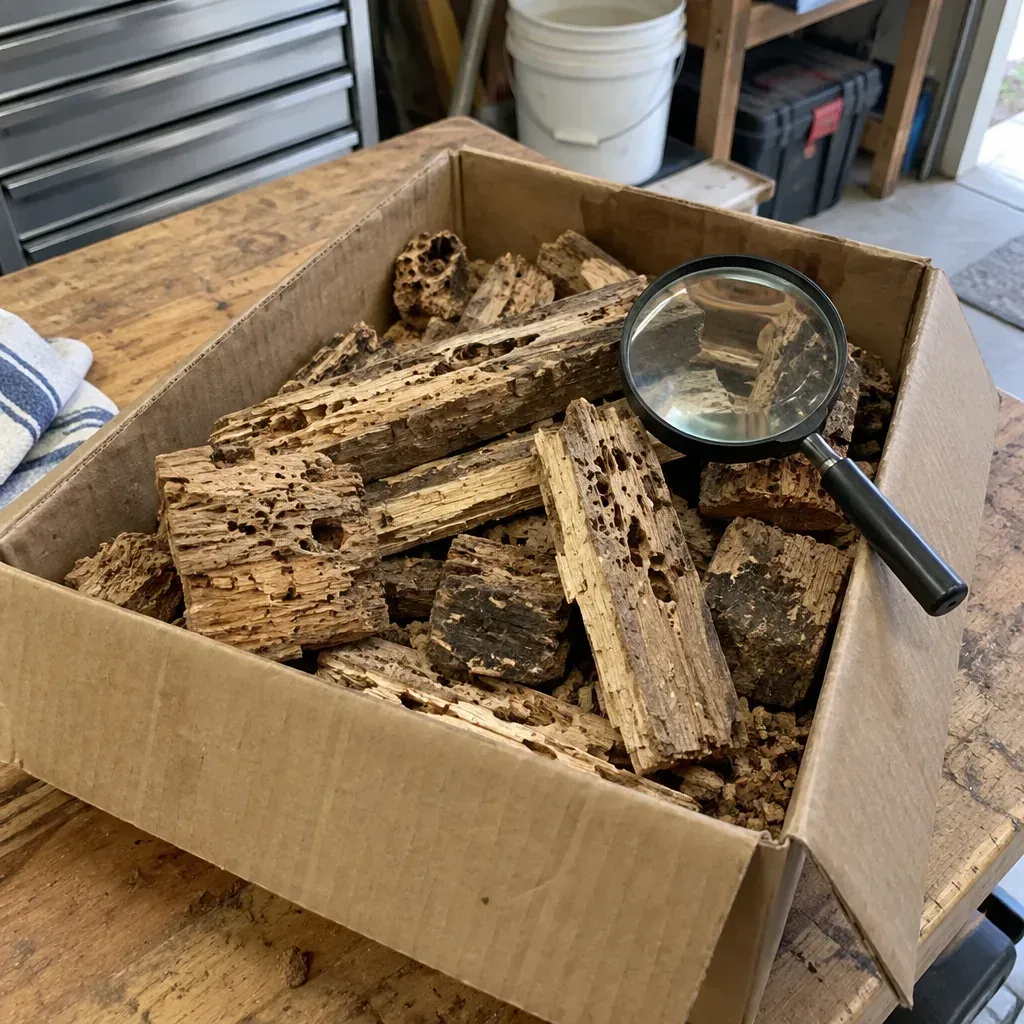
Follow the inspection from visible signs to planned liquid soil placement.
View Subterranean Termite Treatment help in South Fulton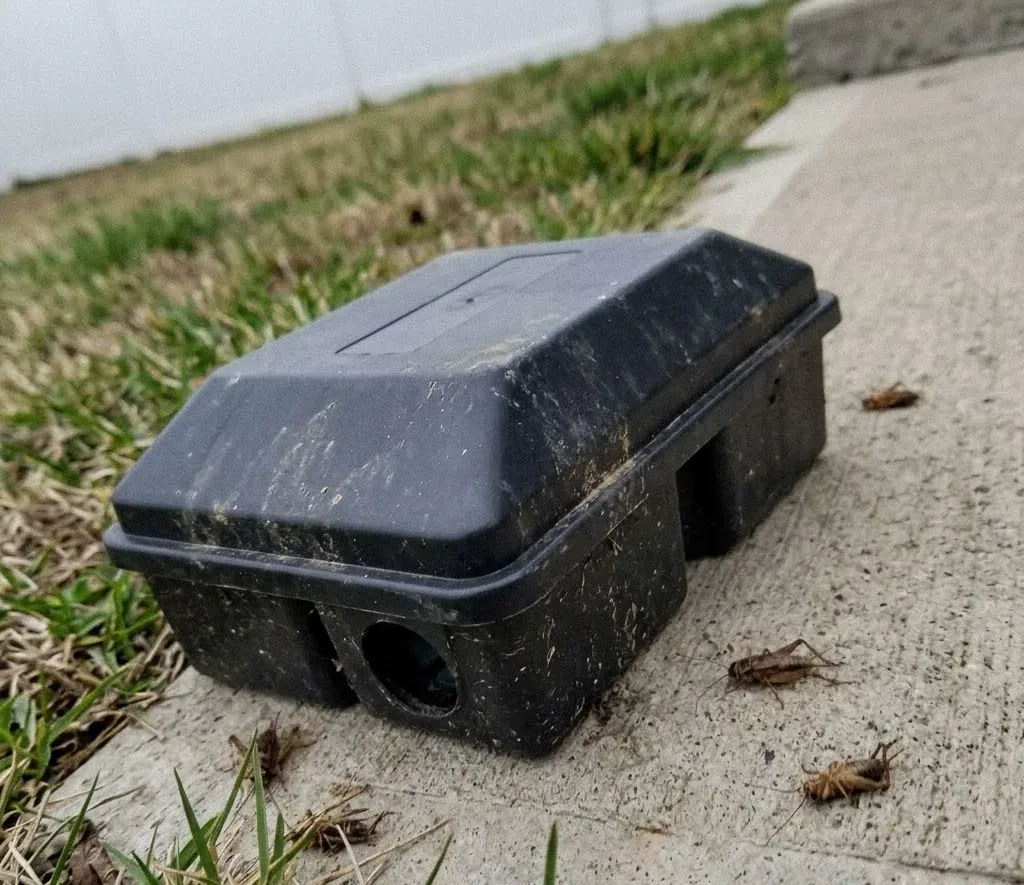
How installers mark, set, and prepare bait stations for South Fulton homes
View Termite Bait System Installation help in South FultonUse the guides to record observed clues, compare approaches, and prepare property details for an inspection.
Review how the plan handles inspection, treatment, station checks, reporting, and possible repairs before comparing its written scope.
Review the home guide for termite clues, inspection steps, and questions to settle before treatment starts.
Ask the provider to explain unfamiliar terms in the inspection report, treatment plan, or service agreement in everyday language.
Use the location of damaged wood or a mud tube to explain what an inspection should examine.
Start with an inspection when a homeowner notices a change, such as a thin earthen line or softened trim. Moisture damage can also weaken wood and make it harder to tell what caused a change. An inspector can check accessible wood and possible entry points. Treatment follows when findings support it. The written recommendation should explain the proposed method and its limits.
The inspection is the on-site review; the report is its written record. It can describe what the inspector observed, where signs or damage appeared, and which areas were not visible. For a South Fulton home near Sykes Park, that record can help the owner discuss next steps. Read it for stated limits and recommended follow-up. Owners can ask which findings support the recommendation and what changes should prompt a follow-up review.
Yes, one agreement can describe control work and later monitoring, if the provider includes both. The owner should check which areas or stations are covered, how often they are reviewed, and what happens if activity is found. Bait stations need access for service, so ask where they will sit. The written plan should also spell out follow-up conditions. In South Fulton, those details should match the inspection findings and property.
A treatment estimate may address termite control without covering carpentry. Control work targets the pest; repair replaces or strengthens affected material. Damage behind a wall or beneath a finish may require further evaluation before anyone can define the repair. Ask for separate written scopes that identify included work, exclusions, and who assesses structural concerns. The owner can then compare the control proposal with the repair recommendations before authorizing either job.
Yes. Discarded wings near a window can be another sign to mention during an inspection. That difference can change what an inspection looks for and which control options fit. A homeowner should describe where signs appeared and mention any changes noticed indoors. The inspector can assess the evidence before identifying the type of issue or proposing a response.
Termite service in South Fulton should begin with the evidence at the property. A foundation tube, loose wings, or altered wood gives an inspector a place to look, but does not confirm an infestation on its own. Ask the pros we connect you with how they assess the structure and explain their findings. Then discuss which treatment method fits those observations, what monitoring involves, and whether follow-up work has separate terms. A written scope can show what is included and what remains outside the plan.
Call (404) 474-2372