Hollow or Soft Wood
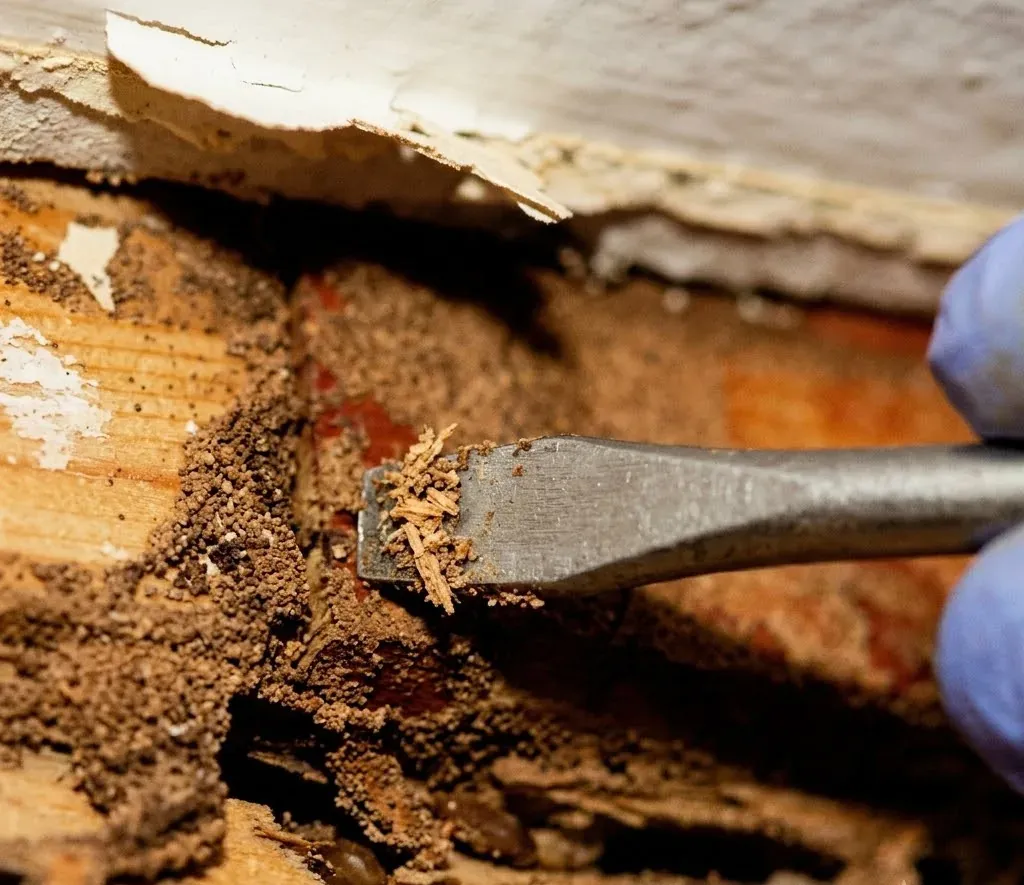
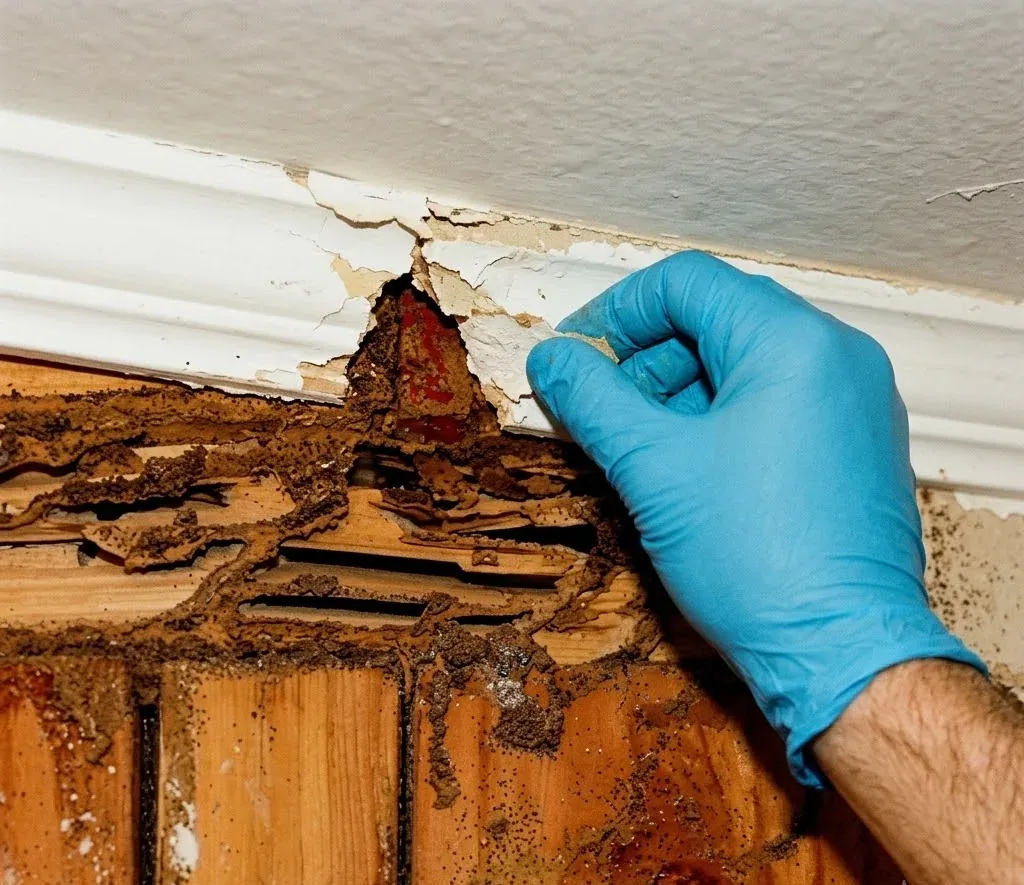
Start with wood that feels unexpectedly soft or sounds empty when lightly tapped. A baseboard, sill, or exposed beam may yield sooner than nearby material, suggesting hidden damage. For a South Fulton home, note the exact spot and whether it is near Grove Park, Westside Park, or Sweetwater Creek. Check walls for blistered paint, rippled surfaces, or narrow ridges. Look at floors for looseness or trim that no longer sits flat. These clues can have other causes. Record what changed and arrange an inspection before covering or repairing the area. A visual check cannot show how far damage extends.
Next, look for changes in how wooden parts hold together. A screw head that sits proud or a hinge that shifts can reflect weakened wood around its anchor. On a split-level near Westside Park, a homeowner might notice a stair rail moving where it meets a post. Loose fasteners have other causes, so the clue matters most when the surrounding wood also looks altered. Record what moved and where. A close photograph can show the joint and a wider view can identify its location for an inspection.
Wall Finish and Frame Changes
Across a wall, scan for finish changes that appeared without an obvious impact. Paint may blister, peel, or form a narrow raised line, and wallpaper may loosen in one area. These changes can occur when concealed wood or paper-based material is affected behind the surface. Termite damage in walls may remain hidden while the room-facing finish changes only slightly. A South Fulton homeowner should note the patch’s size and position. Similar marks can come from moisture or settling, so appearance alone cannot identify the cause.
Check whether a wall change has a matching sign nearby. A door may begin rubbing its frame, or a window trim edge may look newly uneven. These details can show that wood or adjoining surfaces have shifted, though ordinary settling can produce similar effects. In a home near Sweetwater Creek State Park, the owner can photograph the frame and wall together. Include the floor or ceiling edge if the gap continues there. The relationship between marks helps an inspector understand what changed without opening the wall.
Uneven Floors and Loose Trim
On floors, notice a change under ordinary walking rather than testing the boards forcefully. One area may dip, feel unusually yielding, or sound dull compared with the rest of the room. That can indicate a changed wood component beneath the finish, but flooring wear or moisture may also cause it. In South Fulton, a homeowner can mark the location on a simple room sketch. Note whether the sensation stays in one place or appears along a longer line. The pattern gives an inspector useful context.
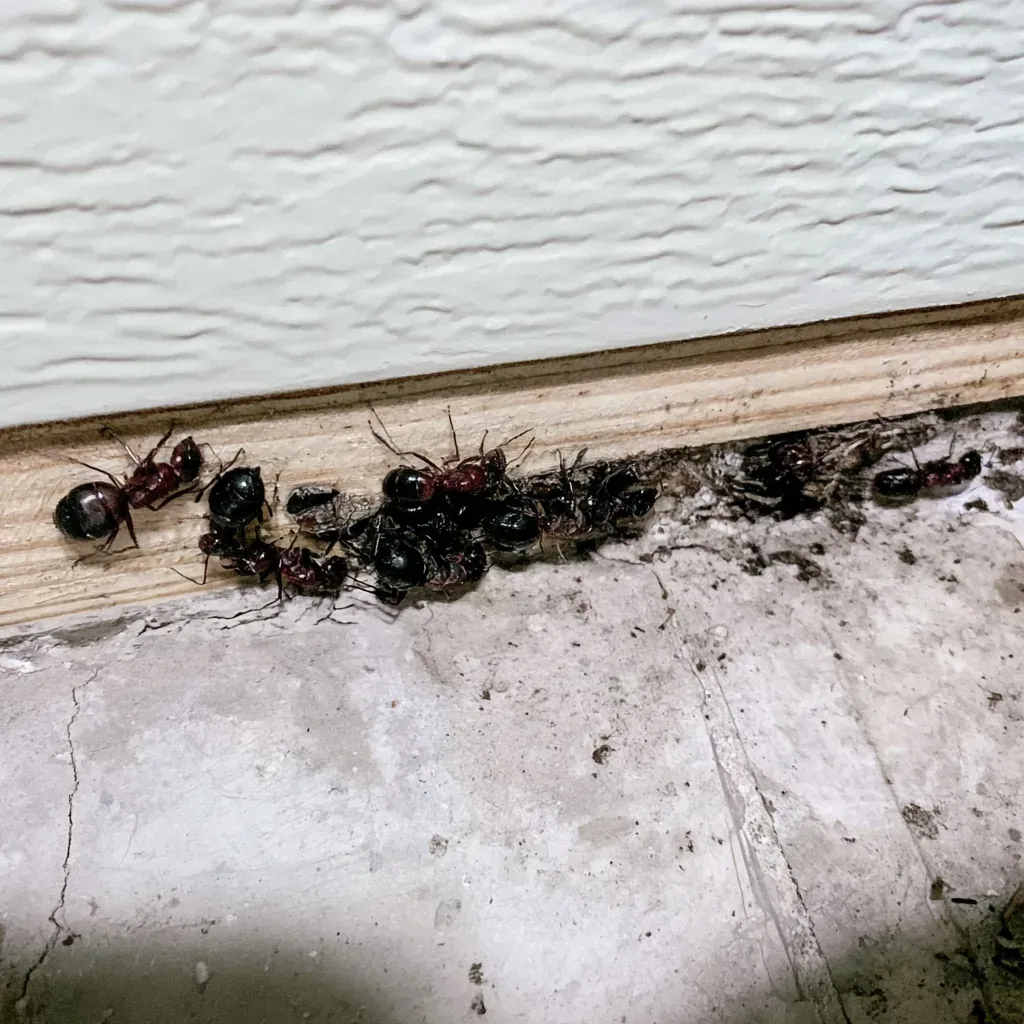
Then look at the trim bordering the floor. A baseboard may pull away from the wall, show a new split, or have a finish that flakes near one joint. A ranch near Six Flags Over Georgia could have these clues at a hallway corner or beneath a window. Small gaps can also follow normal movement in a house. Record which pieces changed and whether nearby flooring shows anything unusual. Together, separate observations describe the area more clearly than a single close-up and avoid treating one mark as proof.
What Surface Clues Cannot Confirm
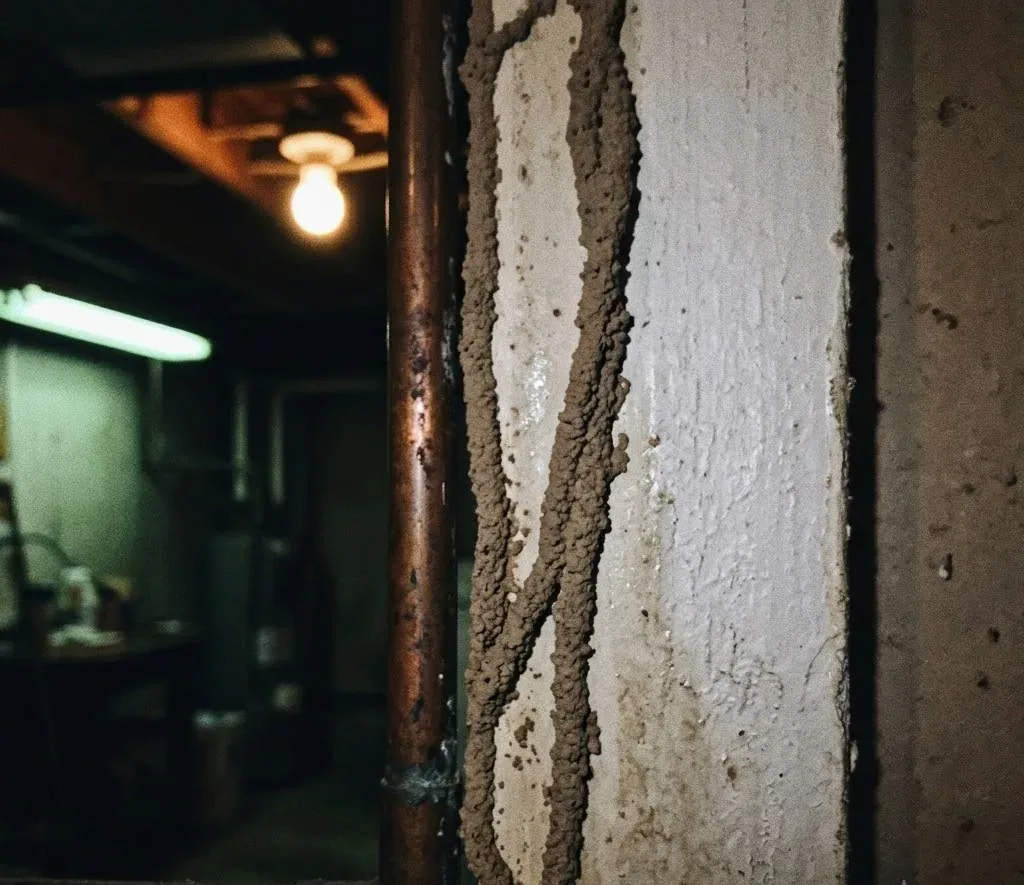
A room-side check cannot show every wood surface. Flooring, paint, and wall coverings hide framing and other material, so a clean finish does not rule out concealed damage. A visible defect also cannot establish termite activity by itself. In South Fulton, inspection findings can help distinguish termite damage signs from changes caused by moisture, age, or movement. The extent of any hidden concern remains unknown from a casual look. Keep conclusions modest until the relevant areas have been assessed.
Before the area is covered or repaired, make a brief record for the inspection. Write down when the change first caught attention, its room and position, and what the owner can see or feel. Add dated photographs from nearby and farther back. South Fulton homeowners can share those details with the pros we connect you with. An inspection can assess visible damage and check areas that a room view cannot reach. The record helps focus that review without altering the evidence first.
Dealing with termite signs at your home?
Check the area, then record what changed. A South Fulton ranch, split-level, or subdivision house may show clues in different spots. Location alone does not confirm termites. Note the room, foundation side, and date. Photograph signs without scraping or pulling at them. When contacting the pros we connect you with, give the address. Ask whether they serve that location, what inspection includes, and whether a visit charge applies. Confirm availability and timing directly. State if the property is in South Fulton, College Park, or Mableton. Discuss findings and next steps before approving work.