Apartments & HOAs
Apartments & Homeowners Associations
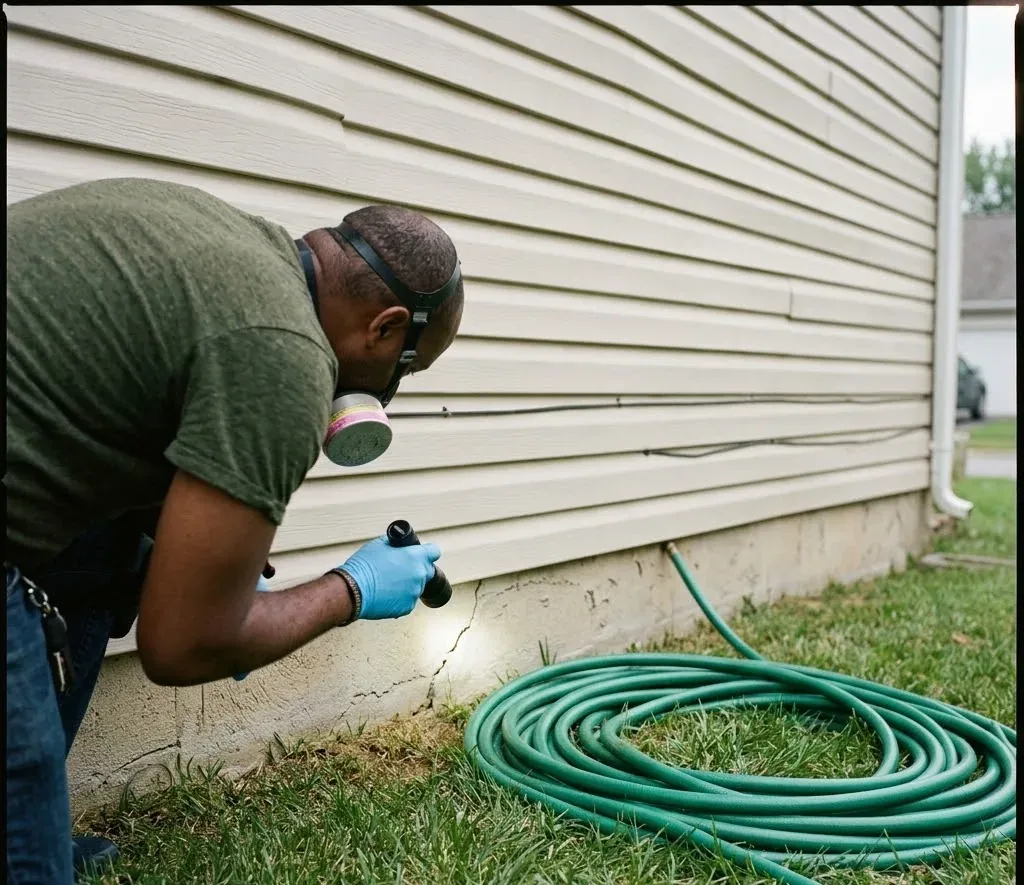
Coordinate guest room termite service with hotel operations, and keep records ready for staff handoffs and monitoring.
Hotel operators can map affected rooms and shared spaces, set access windows with operations staff, and record room-use instructions before work begins. Keep service reports and monitoring updates with the property file to guide staff handoffs and follow-up.
Hotel termite control works best when operations staff can track each concern, arrange entry, and preserve a clear follow-up record. In South Fulton, start by assigning one coordinator to collect reports from front desk, housekeeping, and maintenance. That person can keep room status and access decisions together. A note about suspected activity should identify the location and date. Staff should leave the area undisturbed for the professional’s review. This process helps the hotel plan around guests without treating an unconfirmed concern as a finding.
Create a property list that separates guest rooms, back-of-house areas, and shared spaces. For each location, record who can grant entry and any operating limits. A South Fulton hotel may need different arrangements for a room, a service passage, and a meeting area. Keep the list with the operations contact, where staff can update it as room assignments change. These details help the provider plan the visit and make later records easier to match to the right area.
Guest communication should follow the access plan, with one staff role responsible for notices and questions. In South Fulton, a hotel can check upcoming bookings before deciding whether a room should remain available. Keep messages factual and limited to what guests need to know about entry or temporary room changes. Do not describe suspected signs as confirmed termites. A consistent explanation helps front desk staff answer questions and reduces conflicting instructions during a busy shift.
Guest room termite service calls for coordination between room status, housekeeping, and the person arranging entry. Record whether the room is occupied, due for cleaning, or held for another reason. In South Fulton, staff can route each change through the same coordinator, so reservations and housekeeping see the current plan. The provider can then be told which rooms are accessible and when. Keep guest privacy rules in the visit notes for anyone who may need to escort entry.
Shared areas have schedules that shift with meals, meetings, and guest traffic. A hotel near Gateway Center Arena may need to account for event-related changes in lobby or meeting-room use. South Fulton staff can note the affected space, the hours it is busy, and alternate routes for employees. This gives the provider practical timing information without assuming every area can close together. Keep the notes with the visit record so later staff understand why access was limited.
| Hotel area | Access note | Record to keep |
|---|---|---|
| Location key | Guest rooms, lobby, shared facilities | Link entries to floor plan notes |
| Room status | Occupancy blocks and access exceptions | Update when room availability changes |
| Staff handoff | Front desk, housekeeping, maintenance | Record who received service updates |
| Work window | Check-in peaks and quiet periods | Compare planned work with operations logs |
| Guest circulation | Public routes near closed work areas | Save any temporary route changes |
| Area release | Restricted areas and approved return time | Retain provider instructions with shift notes |
| Map reference | Milner Sport Complex; Sumner Park | Use as broad orientation markers |
| Monitoring log | Monitoring points, check dates, observations | Keep entries with the property record |
Compare the hotel calendar with staff schedules before confirming a visit window. Check arrivals, room turns, food service, and booked functions in South Fulton. If guests plan around an event at Mable House Barnes Amphitheatre, the hotel may need to account for a different arrival pattern. Share relevant constraints with the provider early. The schedule should identify which areas can be made available and who will confirm changes if occupancy shifts before the appointment.
Set out the entry process before the provider arrives. Tell the coordinator which doors need keys, where an escort is required, and whom to contact if plans change. At a South Fulton property, staff may also need to preserve secure access to guest floors and service areas. Record any rooms that cannot be entered during the visit. Clear entry notes reduce delays and give the hotel a record of limits that affected the work.
Before hospitality termite treatment, ask what occupancy directions apply to the planned work. Requirements depend on the method and product label, so the hotel needs instructions for affected rooms and shared spaces. In South Fulton, record any closure period or return-to-use guidance the provider gives. Share those directions with the staff who manage room status. Do not reopen an area until the applicable instructions allow it. Keep the directions with the visit documentation.
After each visit, save a dated report with the service address, areas reviewed, access limits, and work the provider records. For a South Fulton hotel, note who received the report and where the original is stored. Include any written occupancy directions or follow-up steps. Staff should avoid turning a brief note into a claim about areas that were not accessible. A consistent file lets the next manager see what the visit covered and what remains to coordinate.
Hotels with more than one property should keep service records separated by address. South Fulton staff can use the same file format across locations while retaining each property's own reports and contact history. Give each file a clear property identifier and note which staff role received provider updates. This keeps records from being mixed when managers cover another site. A shared format also makes it easier to see whether follow-up documentation is missing from one property's file.
Assign a staff contact to collect new reports after the visit and add their locations to the hotel file. In South Fulton, housekeeping and maintenance may notice different changes during routine work. Ask them to report what they saw, where it appeared, and when they noticed it. Keep those notes factual, and share them with the provider for review. This creates a usable timeline without asking staff to decide whether a sign proves termite activity.
Read the written service agreement before setting expectations for follow-up. Check which areas it covers, how monitoring is handled, and how staff should report a new concern. A South Fulton manager should also note any conditions that apply to later visits or treatment. Keep the agreement beside service reports, but distinguish its terms from work already documented. That makes it easier for a new manager to understand what was included and what still needs clarification.
Before contacting a professional, prepare a short operations brief for the South Fulton property. List affected rooms or shared areas, entry limits, occupied periods, and the staff contact who can arrange access. Add any schedule changes tied to nearby College Park travel or a hotel event calendar. Include existing service records if available. This gives the provider concrete constraints to discuss and helps the coordinator keep the conversation focused on planning the visit.
Take the brief and relevant records to an independent termite professional. Ask how the visit can fit the hotel's room schedule, who should receive the report, and what staff should record afterward. For South Fulton operations, identify one person to confirm entry and relay any changes to the provider. The pros we connect you with can discuss the hotel's constraints and explain what documentation they will provide. Keep those answers with the property file for follow-up.
For hotel termite control in South Fulton, start with a current area list, then set access rules and record each service visit. Guest rooms, kitchens, and shared spaces can have different operating limits. A clear record links each location to its access status, staff contact, and follow-up task. That gives operations and housekeeping the same reference when room use changes. Hospitality termite treatment also depends on the work planned and product directions. Keep room-use instructions with the affected area record so staff can check them before reopening a space.
For any listed community, confirm county availability with the pros we connect you with before seeking termite inspection or treatment options for a residence or small commercial building, includingUnion City, Douglasville and Fairburn. Find out if the initial review is billed on its own and whether reaching a distant property changes that charge.
A shop, office, or warehouse is commonly quoted by service visit. Building footprint and planned return frequency establish the initial scope. $75–$250 provides a guide for budgeting. Work area access, findings, and treatment choice can shift the final estimate.For a South Fulton commercial site, building area and layout can change the stations, materials, and follow-up in a quote. A property near Georgia International Convention Center may have separate work areas. When calling, describe floor area, foundation access, occupied sections, and reporting needs. Confirm the visit charge and proposed work directly with the pros we connect you with.For commercial planning, the pricing guide lays out service bands, while the commercial overview covers scheduled termite programs and their routine structure.
Apartments & Homeowners Associations
Restaurant Operations
Campus Termite Service
Build the schedule from room availability, housekeeping turns, meal service, and event times. Give one operations contact authority to confirm entry and pass changes to the front desk. Share the affected area list and restricted hours with the pros we connect you with. For a South Fulton property, include the service entrance and a public map reference if staff use one, such as Aerotropolis Nature Park.
Room use depends on the work planned for that space and the product label directions. Ask which rooms must be vacant, whether adjacent areas need limits, and what conditions allow reentry. Put those instructions beside the room status record, then have a designated manager confirm the space is ready before assigning guests. Guest room termite service should fit the written access plan.
Keep the service date, areas entered, access restrictions, staff contact, and instructions for room use together. Record any area the provider could not reach and the follow-up action assigned. Link the report to the hotel's floor plan so later staff can identify the locations without relying on memory. Keep updates with the property file for consistent handoffs.
Keep a property map showing monitoring points and assign a staff owner to arrange access for each check. Record the visit date, station status, and any provider note or access issue. Do not move or cover stations without checking the service instructions. Store each update with earlier records so staff can follow changes over time.
Prepare affected-area notes, access limits, and operating constraints, then review them with an independent termite professional serving South Fulton.
Call (404) 474-2372