Hotels
South Fulton Hotels
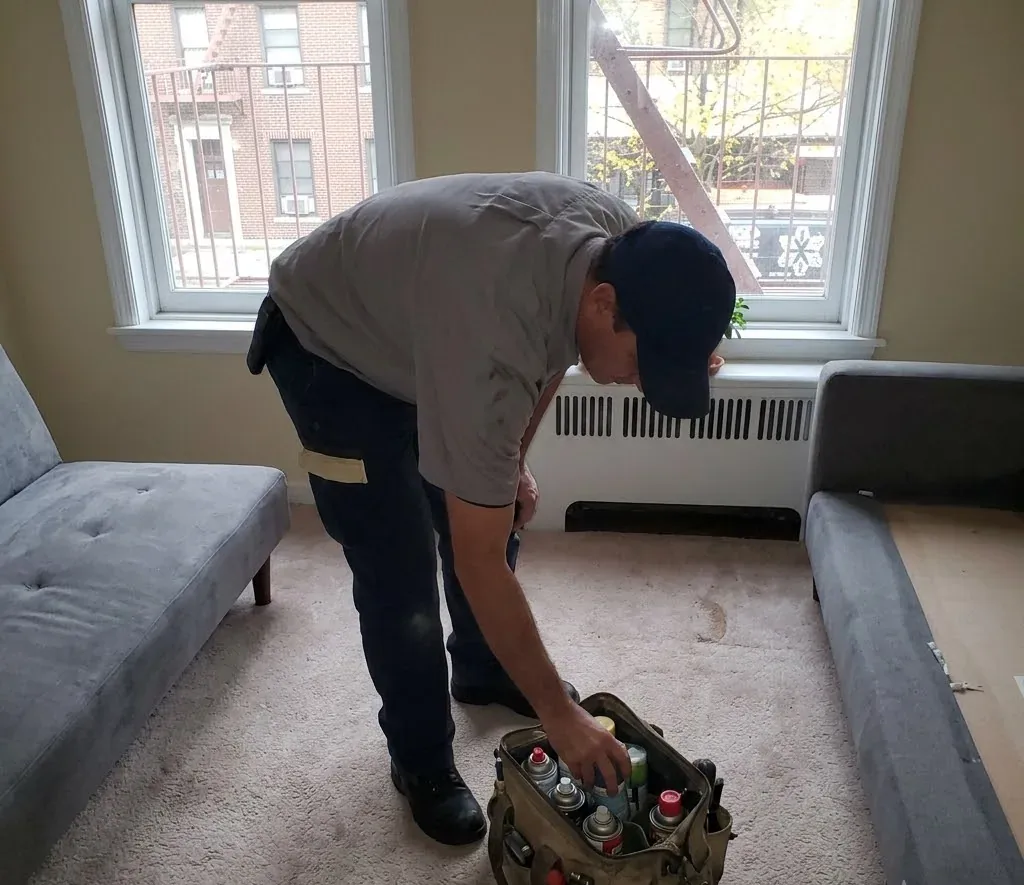
Coordinate apartment termite control with clear property records, workable access plans, and follow-up assigned across South Fulton communities.
Property managers can map each building, assign contacts, and coordinate visits around access and daily operations. Keep findings, decisions, and follow-up tasks with the address they concern. Ask a qualified termite professional for a documented inspection and monitoring plan across the properties.
Termite work across apartments and shared buildings starts with a clear picture of the whole property. In South Fulton, management may oversee spaces with separate owners, occupants, keys, and operating hours. Those differences affect who can authorize work and how access gets arranged. A site-wide plan connects each location to its responsible contact and its current status. It also gives ownership a way to see outstanding tasks without treating one completed visit as proof that every building was covered. This structure keeps decisions, access, and follow-up tied to the right place.
Create a property register before requesting apartment termite control. Give each building and shared facility its own entry, address, access contact, and ownership relationship. Add units or rooms when they need separate entry or follow-up. A site near Sumner Park may include several structures under one management office, yet each still needs its own location record. Note keys, escort rules, restricted hours, and areas managed by an association. These details help the provider plan visits and help staff identify which locations remain open for action.
Use one schedule to show planned work across the South Fulton portfolio. Each appointment should name the property, building, area, purpose, access contact, and expected operational effect. Distinguish an initial visit from treatment and later service, so staff know what the date requires. Link related visits when one depends on another, such as access approval before work can proceed. Management can then spot conflicts with resident moves, deliveries, or building use. The calendar becomes a coordination tool, not just a list of provider dates.
Set the authority path before offering dates to residents or staff. Ownership or an HOA board may decide whether to approve a proposed scope. The property manager can coordinate entry, notices, and building operations after that decision. Record who can approve changes if findings affect another structure or shared space. This avoids delays when a provider needs direction during a visit. For South Fulton properties, keep decision contacts current across the portfolio, including the person who can resolve access disputes or authorize a return appointment.
Send occupants a notice that identifies the building or unit and explains the planned access window. State what preparation is needed, if any, using instructions supplied by the provider. Give residents a management contact for access questions and scheduling conflicts. Avoid broad notices that leave people unsure whether their home or a common room is involved. Keep a copy with the appointment record, along with delivery status or resident replies. This gives the manager a practical way to resolve missed communication before the visit disrupts operations.
| Property group | Entry notes | Follow-up |
|---|---|---|
| Property index | Match buildings, unit ranges, and shared facilities to portfolio records | Keep apartment, condo, and community spaces distinct in South Fulton files |
| Approval roles | Name who can approve scope changes for each ownership group | Route pending decisions to that contact before arranging field work |
| Resident updates | Coordinate occupant notices through each property's established communication channels | Share consistent access instructions approved by community management |
| Entry details | Map controlled doors, utility rooms, and spaces needing staff escort | Confirm entry steps with onsite staff before the scheduled work |
| Work sequence | Ask the provider to group work where property conditions support it | Keep maintenance routes and resident services accessible during treatment |
| Calendar limits | Mark amenity bookings, contractor visits, and move activity on site calendars | Revise plans when building activity restricts safe or practical access |
| Action owners | Assign a manager to track open recommendations and provider callbacks | Escalate lingering tasks through the property's management process |
| Portfolio log | Store dated findings and completed tasks with each building's records | Separate South Fulton records from nearby East Point and College Park files |
Choose work periods around how each property functions. A multi-unit termite treatment may require entry to occupied apartments, storage rooms, or maintenance areas. Check building hours, scheduled deliveries, resident turnover, and staff availability before confirming a date. Ask the qualified provider what access and preparation the proposed work requires. The manager can then reserve time with fewer conflicts and tell affected occupants what to expect. In South Fulton, conditions differ by site, so one portfolio-wide appointment window may not suit every building.
Plan shared facilities as distinct stops within the visit. A community room may be booked, while a utility room may need an escort or staff key. Confirm who can open each area and whether normal use must pause during the appointment. Keep suspected signs in place and tell the provider where they were seen. Secure sensitive records and supplies beforehand if they should not be handled during the scheduled visit. Clear access details reduce repeat arrangements and protect ordinary building operations.
Divide larger projects into workable phases when several structures need attention. Group locations by access readiness, staffing, or operating schedule rather than by a single property-wide date. Tell occupants which areas are included in each phase and when management expects the next update. Keep untreated or unvisited locations visible on the schedule until their status is confirmed. A phased approach helps South Fulton managers maintain essential services while work moves through occupied buildings. It also makes delays easier to contain and explain.
After a provider visit, route each observation to the person responsible for that location. A concern in a shared mechanical room may need facilities staff, while a unit issue may involve its manager. Record the building, area, date, and assigned contact in the internal task list. Do not assume a condition in one structure describes another. Wood touching soil or moisture near wood can support termite activity, so note the location for professional review. This process turns observations into property-specific tasks without making an unverified diagnosis.
Record access results for every planned area, including rooms that could not be reached. A visit to one apartment does not establish that nearby units were entered. Mark each location as completed, pending, or requiring a new appointment, and assign someone to resolve open access. Note the reason for a missed entry, such as a key issue or occupant conflict. For a South Fulton community, these details help management coordinate the next visit without repeating arrangements that already worked elsewhere.
Include ongoing monitoring in the site plan after the initial work is complete. Ask the provider which locations need return access and what staff should keep unobstructed. If stations or other equipment are part of the agreed plan, map their locations for maintenance staff. Do not move equipment or block service paths without checking with the provider. A South Fulton property with several buildings may need separate access notes for each area. The manager can then keep routine site operations from interfering with planned service.
Keep a shared internal record that separates each property’s service history. Capture appointment dates, areas reached, provider observations, access barriers, assigned contacts, and pending actions. Staff overseeing a property near Sykes Park should be able to find its own entries without sorting through unrelated buildings. Limit updates to useful operational facts and identify who added them. Before a scheduled visit, management can review unresolved items and confirm the right contacts. A consistent record makes site-wide monitoring easier to coordinate across ownership and staff changes.
Revise the schedule when access problems or provider findings change the next steps. Record what changed, which locations are affected, and who needs a new notice. If the provider recommends added work, route the proposed scope to the proper decision-maker before arranging entry. Keep the original appointment history so staff can follow how the plan developed. Do not mark a property complete while tasks remain unresolved. For managers serving South Fulton, clear change records help occupants and ownership stay aligned as work proceeds.
Before requesting service, gather property addresses, prior service records, access rules, operating hours, and ownership contacts. Mark buildings, shared rooms, and units that may need separate arrangements. Ask a qualified termite professional about a documented inspection and a monitoring plan suited to the portfolio. Confirm how findings and follow-up will be organized by location. If the management area also includes College Park, keep those properties identified separately from South Fulton addresses. This gives the provider a useful starting point for planning coordinated service.
Shared walls and concealed framing can let termite activity extend beyond the area where damage first appears. In South Fulton, ownership, management, and site staff may handle different parts of the process. First, group locations and existing service details. Next, plan visits around building use and resident access. Then keep findings, completed work, and open tasks connected to each address. A shared system makes gaps easier to spot when one provider serves several properties. It also gives the pros we connect you with useful context for planning apartment termite control or HOA termite service.
Check the coverage map first, then ask which county locations accept termite inspection requests and treatment discussions for houses or small businesses from the pros we connect you with, includingFairburn, Palmetto and Union City. Ask what information to gather before the visit, such as signs of activity and areas where it has appeared.
A business site’s termite budget is generally organized around individual visits. The area included and expected schedule help define the quote. $75–$250 supplies a guide, not a property-specific amount. Inspection findings, access limits, and treatment approach can widen or narrow the work.For a South Fulton commercial site, building area and layout can change the stations, materials, and follow-up in a quote. A property near Georgia International Convention Center may have separate work areas. When calling, describe floor area, foundation access, occupied sections, and reporting needs. Confirm the visit charge and proposed work directly with the pros we connect you with.For commercial planning, the pricing guide lays out service bands, while the commercial overview covers scheduled termite programs and their routine structure.
Start with a portfolio map that identifies each address, building type, shared space, and responsible contact. South Fulton managers can pair that map with previous service records and notes from occupants. Ask the pros we connect you with to explain how visits and follow-up will be organized across the sites. Keep ownership, management, and on-site staff clear about who receives updates and who handles each next step.
Have site staff identify building access rules, busy periods, and rooms that cannot be opened without an appointment. Then group visits around those limits and set a separate plan for resident units and shared spaces. In South Fulton, a community room near Cliftondale Park may have different use patterns from apartment corridors. Give occupants practical notice through the established property contact, and record any area that could not be reached.
Keep a record for each address that links the provider’s findings to the locations covered and the work discussed. Add dates, access limitations, decisions made by ownership, and unresolved questions. South Fulton portfolios may include buildings oriented near Wilkerson Mill or Ben Hill Park; use street addresses and building labels so records stay tied to the right site. Store service terms with the corresponding property file.
Give each follow-up item one owner and a due date, such as arranging access, reviewing a proposed scope, or confirming a completed visit. Keep unresolved items visible across management changes. For multi-unit termite treatment, ask the provider to distinguish tasks for separate buildings and shared facilities. Update the portfolio log when a task is finished or the plan changes, so the next contact can see what still needs attention.
Gather property maps, service records, and access contacts, then ask the pros we connect you with for a documented South Fulton inspection and monitoring plan.
Call (404) 474-2372